If you’re experiencing persistent digestive symptoms, a visit with a GI doctor can help identify the underlying cause and guide effective treatment. At Merus Gastroenterology & Gut Health LLC, a range of diagnostic tests is used to evaluate digestive health problems. The following overview highlights common tests, what they assess, and what to expect during the process. For many patients, locating a GI specialist nearby is the first step toward clarity and relief.
Key Diagnostic Tests
Endoscopy and Colonoscopy
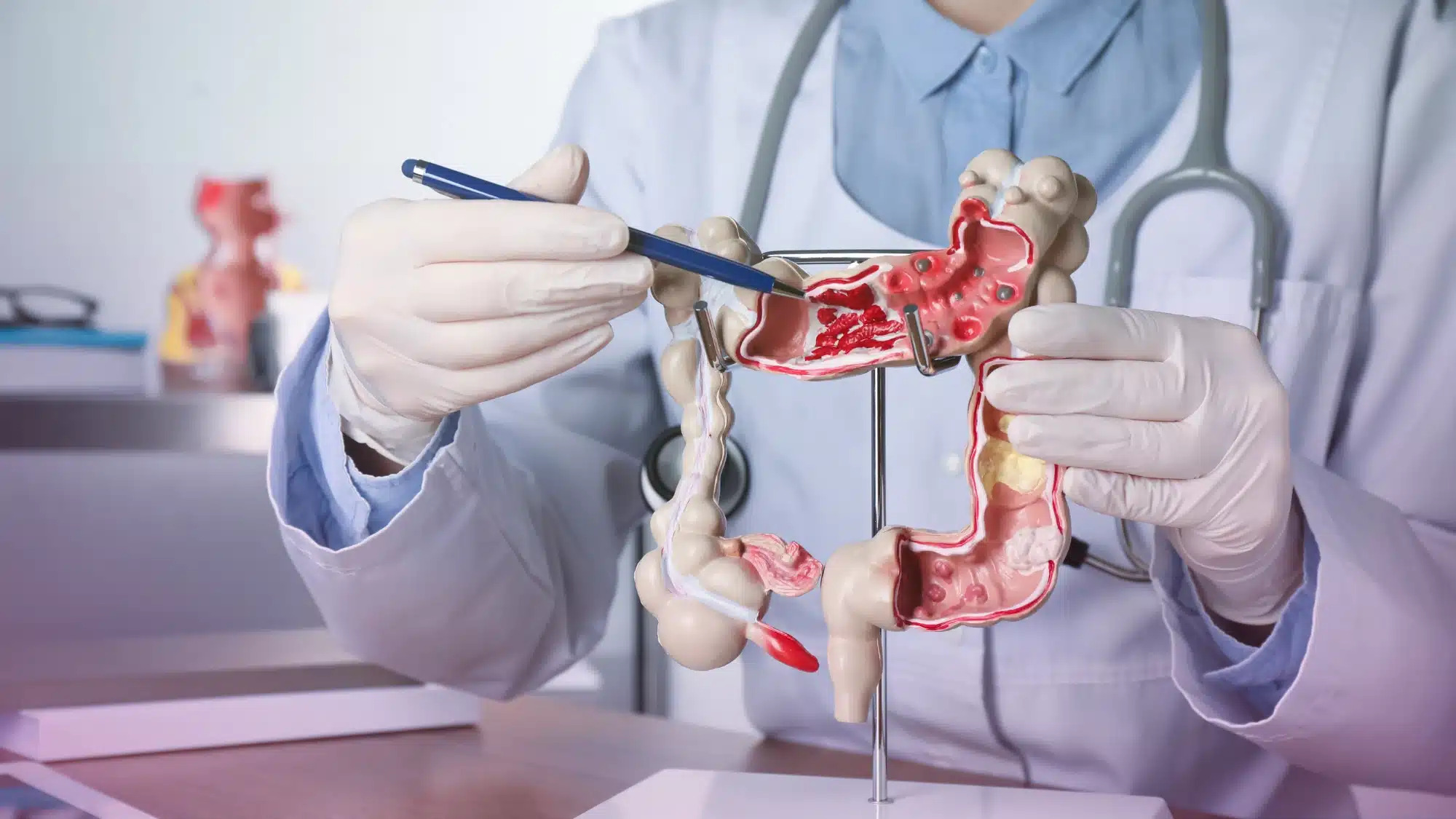
Endoscopy (EGD) and colonoscopy are among the most frequently performed GI tests. An endoscopy allows examination of the esophagus, stomach, and upper small intestine, while a colonoscopy surveys the colon and rectum. Tissue biopsies can be taken during these procedures to diagnose inflammation, ulcers, infections, or cancer. Preparations typically involve fasting and, for colonoscopy, bowel cleansing.
Capsule Endoscopy
Capsule endoscopy involves swallowing a small camera that takes images as it travels through the digestive tract. It’s particularly useful for evaluating unexplained bleeding, unexplained anemia, or suspected small bowel disease such as Crohn’s. The procedure is non-invasive, but a patient must follow instructions regarding fasting and medication adjustments before and after ingestion.
Esophageal Motility and Reflux Tests
- Esophageal manometry measures the movement and pressure inside the esophagus to diagnose motility disorders, such as achalasia or related disorders.
- Esophageal pH monitoring (including Bravo pH testing) assesses acid reflux over 24 hours and helps determine if GERD symptoms are driven by acid exposure.
Imaging for the Small Intestine and Abdomen
- CT Enterography and MR Enterography provide detailed images of the small bowel and surrounding tissues. These tests help evaluate inflammatory bowel disease, obstructive disorders, or other structural problems when endoscopy is not sufficient.
- Abdominal ultrasound is a non-invasive imaging option used to assess organs such as the liver, gallbladder, pancreas, and biliary system, as well as to investigate abdominal pain or swelling.
Stool and Breath Tests
- Stool tests can detect infections, bleeding, and inflammatory conditions. Fecal calprotectin is a marker used to distinguish inflammatory bowel disease from irritable bowel syndrome and to monitor disease activity.
- Breath tests (such as hydrogen or methane breath testing) determine carbohydrate malabsorption (e.g., lactose intolerance) or small intestinal bacterial overgrowth (SIBO) in certain patients.
Blood and Lab Tests
Blood work often accompanies GI evaluation. A complete blood count (CBC) checks for anemia or infection; liver and pancreatic enzyme panels (CMP, liver enzymes) assess organ function related to digestion; inflammatory markers (CRP or ESR) can indicate active inflammation. Additional tests may screen for celiac disease or nutritional deficiencies as indicated.
Nuclear Medicine and Special Studies
HIDA scans can evaluate gallbladder function and biliary obstruction, especially when biliary pain or suspected cholecystitis is present. These studies are focused and used based on specific symptoms and suspected conditions.
Preparing for Tests and What to Expect
Preparation varies by test. For example, colonoscopy requires bowel cleansing; endoscopy may require fasting; capsule endoscopy requires specific dietary restrictions and medication guidance. Your GI team will review instructions, discuss risks, and answer questions. Most diagnostic tests are performed on an outpatient basis with sedation or anesthesia options to ensure comfort.
Finding a GI specialist near you
If you’re searching for “GI specialist near me,” consider factors such as board certification, facility accreditation, a patient-centered approach, and the availability of coordinated care. A GI practice like Merus Gastroenterology & Gut Health LLC offers a range of diagnostic options to tailor workups to individual symptoms and medical history.
Why choose a GI specialist near you
A GI specialist provides a comprehensive assessment—combining history, physical examination, and targeted testing—to reduce diagnostic uncertainty and create a clear treatment plan. Early, accurate diagnosis can improve outcomes, whether managing reflux, inflammatory bowel disease, gallbladder issues, or other digestive concerns.
Digestive health concerns deserve careful evaluation. If you are searching for “GI specialist near me,” consider scheduling a consultation with Merus Gastroenterology & Gut Health LLC to discuss which tests are most appropriate for your symptoms and how to prepare. A clear diagnostic plan can lead to timely treatment and a better quality of life. Take the first step by requesting an appointment or contacting the clinic to learn more about the available diagnostic options.